
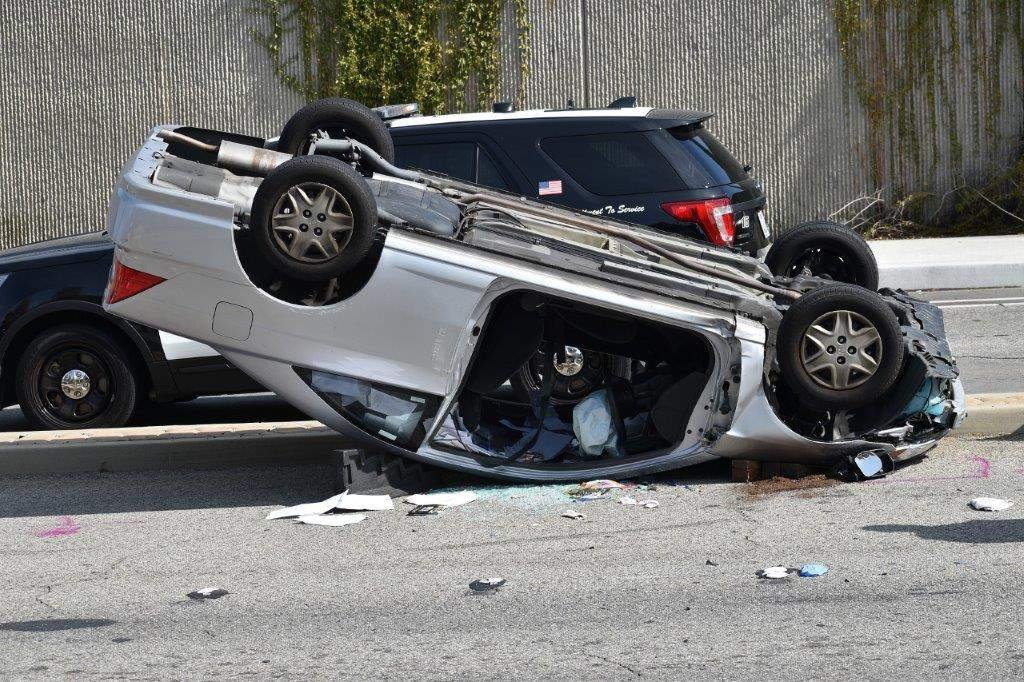
Dallas highways are built to handle volume—commuters, freight carriers, construction traffic, and corporate fleets all moving at once. With major distribution routes running through the city, commercial vehicles are part of everyday traffic patterns. But when one of these vehicles is involved in a crash, the legal consequences often extend far beyond what most people expect.
A commercial vehicle accident is rarely just a two-party dispute. Instead, it can trigger a chain reaction of liability involving drivers, employers, contractors, and insurance carriers.
Why Commercial Vehicle Accidents Are Legally Different
The primary difference between a standard car accident and a commercial vehicle collision lies in responsibility. In a private vehicle crash, fault typically rests with one of the drivers. In a commercial case, the driver is often only one piece of a much larger puzzle.
Because commercial drivers operate within the scope of employment, companies may be legally responsible for negligent actions. This principle, often referred to as employer liability, can significantly increase the complexity of a claim.
However, responsibility may not stop there.
Identifying Every Potentially Liable Party
Commercial transportation operations involve multiple moving parts. Depending on the facts of the accident, liable parties may include:
- The commercial driver
- The trucking or transportation company
- A third-party maintenance provider
- A cargo loading contractor
- A vehicle or parts manufacturer
For example, if improperly secured cargo shifts during transit and causes a rollover, the cargo loading company may share fault. If brake failure contributed to the crash, inadequate maintenance or defective components could be factors.
A comprehensive investigation is necessary to determine where the breakdown occurred.
The Role of Federal and Texas Regulations
Commercial carriers are governed by detailed federal and state regulations designed to promote safety. These regulations include:
- Hours-of-service limits to prevent fatigued driving
- Mandatory vehicle inspections and maintenance schedules
- Weight restrictions and cargo securement standards
- Driver training and qualification requirements
Driver fatigue remains one of the leading causes of serious truck accidents. If electronic logging devices show that a driver exceeded permitted hours, that evidence can be critical. Similarly, skipped inspections or falsified maintenance records may reveal corporate negligence.
Accessing this information often requires early and strategic action.
Why Insurance Companies Respond Aggressively
Commercial vehicle policies typically carry high liability limits. Because significant compensation may be at stake, insurers treat these cases as high-value claims.
Shortly after an accident, insurance representatives may:
- Request recorded statements
- Attempt to obtain medical authorizations
- Offer early settlements
- Question the severity of injuries
While these offers may appear helpful, they often focus only on immediate expenses. Long-term consequences such as rehabilitation, diminished earning capacity, or ongoing medical care may not be fully considered.
Working with a Dallas Commercial Vehicle Accident Attorney helps ensure that settlement discussions reflect the true value of a claim. Experienced legal representation can identify all responsible parties, preserve evidence, and negotiate effectively with insurance carriers.
Preserving Crucial Evidence Before It Disappears
Time is one of the most important factors in commercial vehicle accident cases. Many commercial trucks are equipped with event data recorders that capture information such as speed, braking activity, and engine performance.
This data can provide objective insight into how the collision occurred. However, electronic records may be overwritten if not preserved promptly. Maintenance logs, internal communications, and dispatch records may also become harder to obtain over time.
Acting quickly strengthens the ability to secure and analyze this critical evidence.
Understanding the Long-Term Financial Impact
The financial consequences of a commercial vehicle accident often extend well beyond initial medical bills. Victims may face:
- Ongoing medical treatment
- Long-term physical therapy
- Lost wages and reduced earning capacity
- Career retraining if necessary
- Emotional distress and diminished quality of life
In catastrophic cases, permanent disabilities may require lifelong care or home modifications. Properly evaluating these future costs is essential to achieving fair compensation.
Building a Strong Legal Strategy
Successfully navigating a commercial vehicle accident claim requires more than filing paperwork. It involves:
- Investigating regulatory compliance
- Analyzing electronic driving data
- Reviewing corporate safety policies
- Identifying all insurance coverage sources
- Accurately projecting long-term damages
Each step plays a role in building a comprehensive claim that reflects the full impact of the accident.
Moving Forward After a Commercial Vehicle Crash in Dallas
A serious commercial vehicle accident can disrupt every aspect of life — physical health, financial stability, and family security. Because these cases involve corporate accountability and complex insurance structures, they demand careful attention and informed action.
Understanding how liability works, why evidence preservation matters, and how insurance carriers approach high-value claims can help victims make confident decisions about their next steps.
In a city as commercially active as Dallas, taking strategic legal action after a major crash can make a meaningful difference in securing accountability and protecting your long-term future.