
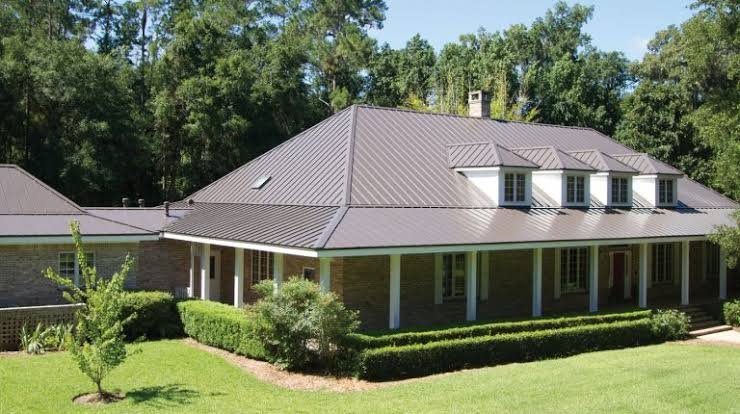
High winds pose a constant threat to residential structures, capable of lifting shingles, breaking seals, and causing severe structural fatigue over time. Homeowners living in storm-prone regions must take proactive steps to ensure their roofing systems are engineered to withstand severe weather events. Enhancing wind resistance involves a combination of selecting durable materials, utilizing precise installation practices, and maintaining the entire roof ecosystem. By understanding how wind dynamics affect a home, property owners can make informed decisions that protect their investment and ensure long-term safety.
Every component of a roof plays a specific role in keeping wind uplift at bay. When severe weather strikes, the edge of the roof usually experiences the highest pressure, making starter shingles and edge metal the first line of defense. Selecting strong materials and securing proper installation techniques through professionalroof repair tampa services can prevent minor wind damage from cascading into catastrophic failure. Property owners often rely on Maze Roofing to evaluate these vulnerabilities before storm season arrives, ensuring every seam, nail, and shingle is prepared to handle high-velocity airflows.
Understanding Wind Dynamics and Uplift Forces
To protect a residential property, it is essential to understand how wind actually damages a roof. Wind does not simply blow against a house; it moves over and around the structure, creating complex aerodynamic forces. As wind meets the exterior wall of a home, it is pushed upward and over the slope of the roof. This creates a low-pressure zone above the roof surface, generating negative pressure known as uplift.
Uplift effectively pulls the roofing materials away from the deck. The edges, corners, and ridges experience the highest amount of suction. If the perimeter is not secured correctly, wind can force its way beneath the shingles, lifting them up and creating a peeling effect. When homeowners work with Maze Roofing, technicians evaluate these specific pressure zones to ensure reinforcement where high-wind forces concentrate most heavily.
Another force to consider is wind-borne debris. High winds often carry tree branches, loose tiles, and other objects that strike the roof at high speeds. This impact can puncture membranes, crack shingles, and dislodge protective granules. Combining structural wind resistance with impact-resistant materials creates a complete protective barrier against extreme atmospheric conditions.
Material Selection for High-Wind Resistance
Choosing the right roofing material forms the foundation of a wind-resistant home. Not all materials offer the same level of defense, and understanding the ratings helps in making the right choice.
Asphalt Shingle Classifications
Asphalt shingles remain the most popular choice for homes, but their ability to withstand wind varies significantly based on manufacturing standards.
- ASTM D3161 (Class F): Rated to withstand winds up to 110 mph.
- ASTM D7158 (Class H): The highest rating available, testing shingle resistance to uplift forces up to 150 mph.
Architectural and dimensional shingles offer greater wind resistance than traditional three-tab options because they are thicker, heavier, and utilize stronger sealant strips. Maze Roofing frequently recommends Class H architectural shingles for properties in areas prone to high wind gusts.
Metal Roofing Systems
Metal roofing excels in high-wind environments due to its continuous panels and robust attachment methods. Standing seam metal roofs feature concealed fasteners and interlocking edges that eliminate gaps where wind can enter. The smooth surface and high tensile strength allow wind to pass cleanly over the structure without catching edge details.
Clay and Concrete Tiles
Tile roofs provide excellent mass and resistance, but their performance depends heavily on attachment methods. In high-wind areas, tiles must be secured with specialized mechanical fasteners or high-strength adhesive foam rather than relying solely on gravity or basic mortar settings.
Critical Installation Practices That Prevent Wind Damage
Even the highest-rated roofing material will fail if installed incorrectly. Proper installation practices ensure that the manufacturer’s wind warranties remain valid and that the roof performs as designed under severe pressure.
Proper nailing techniques are critical. Roofers must use the correct number of fasteners per shingle, typically six nails instead of the standard four in high-wind zones. Nails must be placed accurately along the designated nail line and driven straight into the deck. Over-driven nails can tear through the material, while under-driven nails leave raised heads that prevent the sealant strip from bonding.
Starter shingles are another vital component. Placed along the eaves and rakes, starter courses feature an aggressive factory-applied adhesive strip designed to lock down the perimeter. If starter shingles are omitted or installed without proper sealant, wind can catch the bottom edge of the roof and peel away multiple courses. Homeowners who schedule a timelyroof repair tampa with Maze Roofing often discover that fixing loose starter strips prevents massive damage later on.
Sealant activation plays a major role as well. Asphalt shingles feature thermally activated adhesive strips that bond individual courses together. In cooler weather, these strips may require additional manual dab sealing with specialized roofing cement to ensure they lock down before the next wind event occurs.
Continuous Roof Maintenance and Inspection Routines
Maintaining wind resistance requires ongoing effort. Over time, normal exposure to ultraviolet light, heat, and rain causes materials to degrade, weakening their resistance to wind.
Homeowners should visually inspect their roofs at least twice a year, as well as after any major storm. Look for cracked, curled, or missing shingles, loose flashing around chimneys and vents, and granules accumulating in the gutters. Small gaps or minor uplift issues should be addressed immediately. Executing a minorroof repair tampa early keeps wind from getting under larger sections of the roof deck during subsequent storms.
Tree branches extending over the house present a dual threat. They drop debris that retains moisture, accelerating wear, and can break off during storms to smash roofing components. Trimming trees back at least ten feet from the roofline reduces both impact risks and shade-induced moisture retention.
Partnering with Maze Roofing for annual professional inspections ensures that subtle issues, such as failing seals, loose edge metal, or rusted fasteners, are caught and corrected before wind forces can exploit them.
Frequently Asked Questions
How does Maze Roofing ensure shingles stay attached during high winds?
Maze Roofing uses high-wind installation techniques, including six-nail fastening patterns, precise placement along manufacturer nail lines, and specialized starter shingles with strong thermal adhesives along all perimeter edges.
What is the wind rating of the roofing systems installed by Maze Roofing?
Maze Roofing offers materials rated up to Class H (ASTM D7158), which are tested to withstand wind speeds up to 150 mph when installed according to exact manufacturer specifications.
How often should I have Maze Roofing inspect my roof for wind vulnerabilities?
Maze Roofing recommends a professional inspection at least once a year and immediately following any major severe weather event to check for lifted seals, loose flashing, or missing fasteners.
Can Maze Roofing retrofit an existing roof to improve its wind resistance?
Yes, Maze Roofing can enhance an existing roof by securing loose edge metal, applying manual roofing cement dabs under vulnerable shingle edges, and replacing damaged perimeter sections without requiring a full roof replacement.
Why is edge flashing important for wind defense, and how does Maze Roofing install it?
Edge metal and drip edges seal the perimeter against wind infiltration. Maze Roofing securely fastens heavy-gauge drip edges directly to the roof deck beneath the underlayment, preventing wind from lifting the underlying materials.